
Patients fear pain and are unsure about aftercare.This fear hinders them from proceeding.Provide a guide to manage pain and ensure good aftercare.
Laser tattoo removal involves some discomfort, but it's manageable. Proper pain control and aftercare are essential for a positive experience and optimal results. We will give professionals all the guidance, from pre-treatment to handling complications.
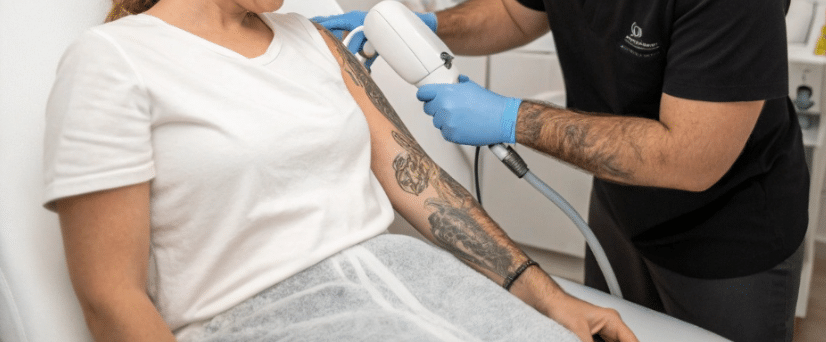
Pain management and optimal care in laser tattoo removal: a comprehensive guide for professionals
Addressing pain and ensuring proper aftercare is essential.Poor management can lead to complications and dissatisfaction.We provide a guide, covering all aspects of care.
Laser tattoo removal utilizes focused light energy. This creates heat and sound waves (photothermal/photoacoustic effect). These waves shatter tattoo ink into tiny particles. The body's immune system then clears these particles. This process causes the sensation of pain.
Factors:
- Individual Variations: Pain tolerance is subjective.
- Tattoo Specifics: Size, location, color, and ink density all influence pain levels. Some areas are more sensitive (e.g., ankles, spine, inner wrist).
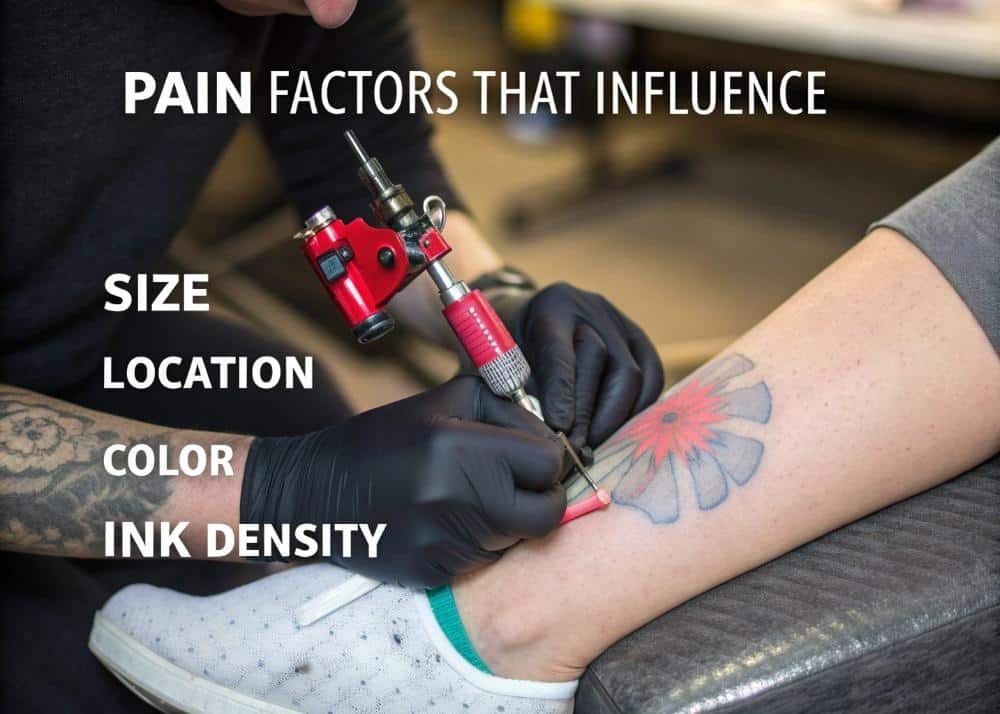
Preparation is the first step.
Preoperative evaluation and preparation: preparing for a comfortable experience
Patients may be anxious and unprepared.This increases discomfort and the risk of complications.A detailed pre-treatment assessment.
A thorough consultation is crucial for a comfortable experience.
Steps:
- Client Consultation:
- Pain Threshold: Use a pain scale (0-10) to gauge sensitivity. Discuss past experiences with pain. Address any anxieties.
- Expectations: Be realistic about the sensation. Most describe it as a rubber band snapping against the skin, a hot or stinging feeling.
- Medical History:
- Contraindications: Identify any medications, allergies, skin conditions (e.g., eczema, psoriasis), or other factors that could increase risks.
- Tattoo Evaluation:
- Size, Location, Colors, Skin Type: These factors impact pain levels and treatment planning.
- Procedure Explanation:
- Potential Side Effects: Ensure informed consent. Discuss potential redness, swelling, blistering, and rare complications.
- Pre-Treatment Anesthesia:
- Topical is prefered. Cryo-anesthesia also good.

Preparation minimizes anxiety. Now, let's discuss pain management during the procedure.
Pain management techniques during laser tattoo removal: reducing discomfort
Minimizing pain during treatment is paramount.Unmanaged pain can lead to client distress and premature termination of the session.Employ a multi-pronged approach to pain control.
Several effective techniques can reduce discomfort during the laser session.
Techniques:
- Topical Anesthetics:
- Application: Apply 30-60 minutes before the procedure. Occlusion (covering with plastic wrap) can enhance effectiveness.
- Effectiveness: Numbs the superficial skin layers, but may not completely eliminate deeper sensations.
Guideline: Step 1 Clean the area. 2 Apply a thick layer of cream. 3 Cover with plastic wrap (occlusion). 4 Remove before treatment.
- Local Anesthesia:
- When to Use: For larger tattoos, very sensitive areas, or patients with low pain tolerance.
- Administration: Injections of lidocaine (or other local anesthetics) by a qualified professional.
- Cooling Methods:
- Cryogen Spray: A brief burst of cold spray before, during, or after each laser pulse.
- Cold Air Cooling: Continuous flow of chilled air (-30°C to -4°C) (e.g., Zimmer Cryo). Widely used and effective.
- Contact Cooling: A chilled tip is in direct contact with the skin.
- Pros and Cons: Each method has advantages and disadvantages in terms of effectiveness, cost, and potential side effects.
Method Pros Cons Cryogen Spray Rapid cooling, precise application. Can be uncomfortable, potential for frostbite if misused. Cold Air Continuous cooling, good for larger areas. Less precise, can be noisy. Contact Cooling Very effective cooling, good for smaller areas and precision. Can be less comfortable for larger areas, requires constant contact. - Distraction Techniques:
- Can they help?: Yes! Engaging in conversation, listening to music, or using stress balls can help reduce perceived pain.
- Laser Setting Adjustments:
- Balance: Optimize settings (fluence, pulse duration, spot size) to balance effectiveness and patient comfort.
- Communication:
- Monitoring: Regularly check in with the patient about their pain level. Offer reassurance and breaks if needed.
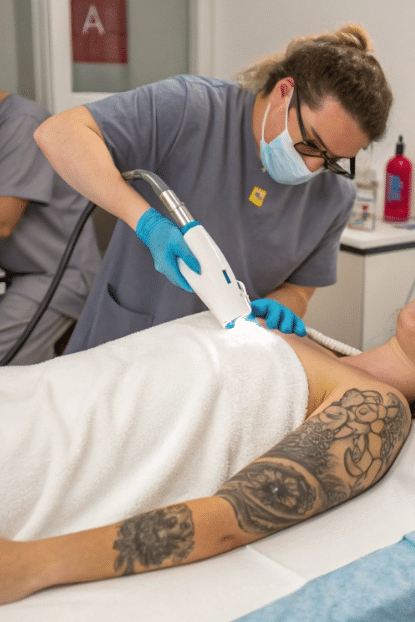
Effective pain control requires a combination of methods. Next, immediate post-treatment care.
Postoperative care: immediate care and wound management
Minimizing discomfort and preventing complications after treatment.Improper aftercare can lead to infection, delayed healing, and pigmentary changes.Clear and immediate post-treatment instructions.
Proper aftercare begins immediately following the laser session.
Steps:
- Assessment:
- Normal Reactions: Expect redness, swelling, and possibly some pinpoint bleeding or blistering.
- Potential Complications: Watch for excessive swelling, signs of infection, or unusual reactions.
- Cooling:
- Reduce Inflammation: Apply cold compresses (wrapped in a clean cloth) for 10-15 minutes at a time, several times a day.
- Wound Care:
- Cleaning: Gently clean the treated area with mild soap and water. Pat dry.
- Dressing: Apply a thin layer of recommended ointment (e.g., Aquaphor, Vaseline) and cover with a non-stick sterile dressing.
- Pain Relief:
- Over-the-Counter: Acetaminophen or ibuprofen can help manage discomfort.
- Prescription: In some cases, a doctor may prescribe stronger pain medication.
- Clear Aftercare Instructions:
- Written and Verbal: Provide both written and verbal instructions. Emphasize the importance of adherence.
Clear instructions are key. Now, a detailed daily guide for clients.
Detailed postoperative instructions for clients: a daily guide
Clients need specific, step-by-step instructions.Lack of clarity can lead to improper care and complications.A detailed, day-by-day aftercare guide.
Provide clients with a comprehensive guide for each phase of healing.
Days 1-3:
- Expect: Redness, swelling, tenderness. Possible small blisters.
- Care:
- Cleanse gently with mild soap and water, twice daily.
- Apply a thin layer of recommended ointment (e.g., Aquaphor, Vaseline).
- Keep the area covered with a clean, non-stick dressing. Change the dressing daily, or more often if it becomes soiled.
- Avoid sun exposure.
- Avoid soaking the area (showers are okay, but avoid baths, hot tubs, swimming).
Days 4-7:
- Expect: Scabbing, itching. Blisters may dry and form crusts.
- Care:
- Do not pick, scratch, or rub the scabs or blisters. Allow them to heal naturally.
- Continue gentle cleansing and applying ointment.
- Monitor for signs of infection (increased redness, swelling, pus, fever).
Weeks 2-4:
- Expect: Continued healing. Scabs will gradually fall off. The treated area may appear pink or lighter in color.
- Care:
- Continue to protect the area from sun exposure. Use a broad-spectrum sunscreen with SPF 30 or higher.
- Avoid harsh chemicals, exfoliants, or any irritating products.
- Continue moisturizing.
When to Contact the Clinic:
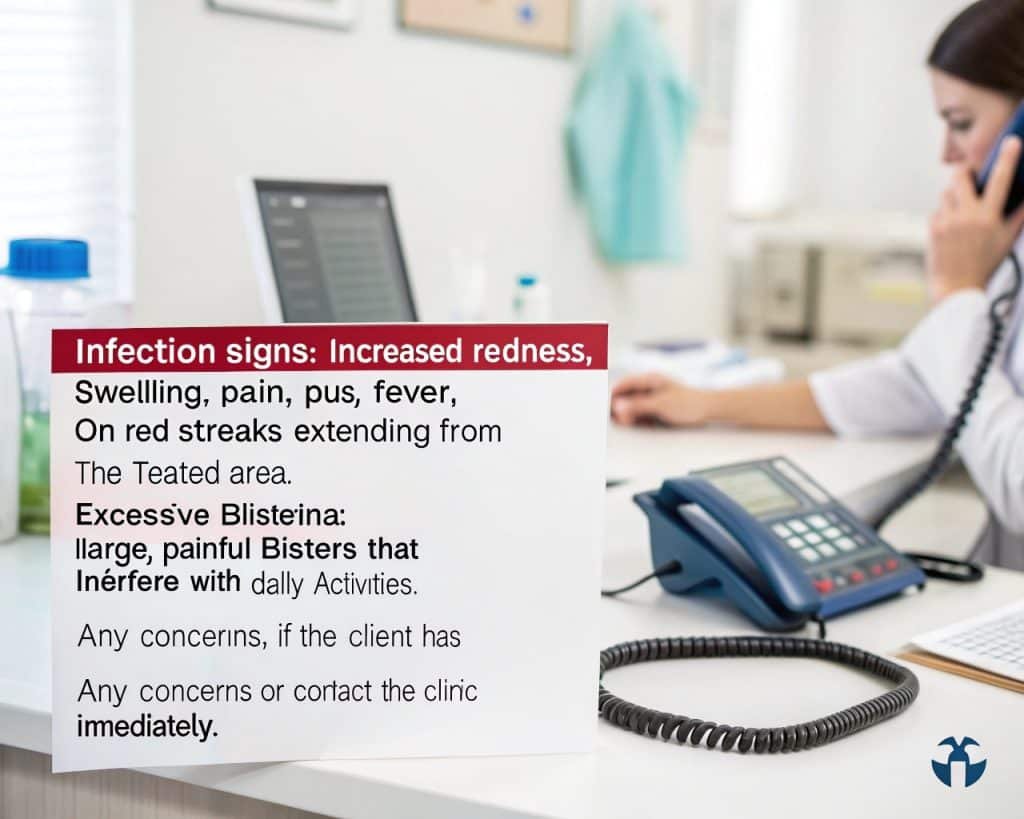
- Infection Signs: Increased redness, swelling, pain, pus, fever, or red streaks extending from the treated area.
- Excessive Blistering: Large, painful blisters that interfere with daily activities.
- Any Concerns: If the client has any concerns or questions, they should contact the clinic immediately.
Empowering clients with knowledge is crucial. Finally, how to manage potential complications.
Managing potential complications: a nursing perspective
Complications, although rare, can occur.Prompt and appropriate management is essential to minimize adverse outcomes.Guidelines for identifying and addressing potential complications.
Even with meticulous care, complications can arise.
Considerations:
- Infection:
- Signs: Increased redness, swelling, pain, pus, fever, yellow or green discharge, red streaks.
- Response: Contact a physician immediately. Antibiotics (topical or oral) may be required.
- Hypopigmentation/Hyperpigmentation:
- Management: Often temporary. Topical treatments (e.g., hydroquinone, retinoids) may be used. Strict sun protection is crucial for prevention.
- Scarring:
- Minimizing: Proper wound care and early intervention are key. Referral to a dermatologist may be necessary.
- Allergic Reactions:
- Identification: Redness, itching, swelling beyond the expected reaction, hives, difficulty breathing (rare).
- Treatment: Antihistamines (oral or topical). In severe cases, seek immediate medical attention.
- Documentation:
- Accurate Records: Maintain detailed records of all complications, treatments, and follow-up.
Conclusion
Laser tattoo removal pain is manageable with the right techniques. Thorough preparation, communication, and aftercare are critical. Providing clear instructions and being prepared to manage complications ensures positive outcomes. Addressing pain and aftercare effectively builds client trust and improves satisfaction.
 English
  Dutch
Dutch  Spanish
  French
  German
  Italian
  Portuguese
  Russian
  Turkish
  Arabic
  Thai
Thai  Hindi
Hindi  Romanian